EN 24

High-strength nickel-chromium-molybdenum alloy steel for demanding engineering applications.

EN24 is a high-strength alloy engineering steel known for its combination of strength, toughness, hardenability and fatigue resistance. It is suitable for components subjected to high loads, shock, torsion and repeated mechanical stresses.

Key Properties

  • High tensile strength
  • Excellent toughness
  • Good hardenability
  • Good fatigue resistance
  • Suitable for heavy-duty components
  • Good response to heat treatment
  • Suitable for high-stress engineering applications
Category:

Technical Specifications

Property Specification
Steel Grade EN24
Steel Type Nickel-Chromium-Molybdenum Alloy Steel
Common British Designation 817M40
Related Grade 34CrNiMo6
Material Number 1.6582*
Carbon Approx. 0.36–0.44%
Silicon Approx. 0.10–0.35%
Manganese Approx. 0.45–0.70%
Chromium Approx. 0.90–1.40%
Nickel Approx. 1.30–1.70%
Molybdenum Approx. 0.20–0.35%
Heat Treatment Annealing / Hardening / Tempering

Chemical Composition

EN24’s alloying system combines nickel, chromium and molybdenum to support strength, toughness and hardenability.

Element Composition
C – Carbon 0.36–0.44%
Si – Silicon 0.10–0.35%
Mn – Manganese 0.45–0.70%
Cr – Chromium 0.90–1.40%
Ni – Nickel 1.30–1.70%
Mo – Molybdenum 0.20–0.35%
P – Phosphorus As per applicable standard
S – Sulphur As per applicable standard


Alloying Advantage

Nickel contributes to toughness and strength.
Chromium contributes to hardenability and wear resistance.
Molybdenum supports hardenability and high-strength performance.

Applications

EN24 is used for engineering components where high strength, toughness and resistance to repeated loading are important.

⚙️ Shafts
For heavily loaded rotating and transmission components.

⚙️ Gears
For high-load power transmission applications.

⚙️ Axles
Suitable for demanding automotive and industrial applications.

⚙️ Crankshafts
For components exposed to cyclic loading and mechanical stresses.

⚙️ Connecting Rods
For high-strength mechanical assemblies.

⚙️ Spindles
Suitable for high-load rotating machinery.

⚙️ Bolts & Studs
For selected high-strength fastening applications.

⚙️ Heavy Engineering Components
For machinery and components requiring a combination of strength and toughness.

Heat Treatment

EN24 can be heat treated to develop the required combination of strength, hardness and toughness.

01 — Annealing
Used to produce a softer structure and improve machinability before further processing.

↓

02 — Hardening
Controlled heating followed by suitable quenching is used to develop the required hardened structure.

↓

03 — Tempering
Tempering after hardening helps achieve the required balance between strength, hardness and toughness.

Final Performance

High Strength

  •  

Good Toughness

  •  

Controlled Hardness

=

Reliable Engineering Performance

Heat-treatment parameters should be selected according to the component size, required mechanical properties, applicable standard and actual processing conditions.

Available Forms

Available Forms
Depending on TSI Metals Private Limited’s stock and customer requirements, EN24 can be supplied in suitable engineering forms such as:

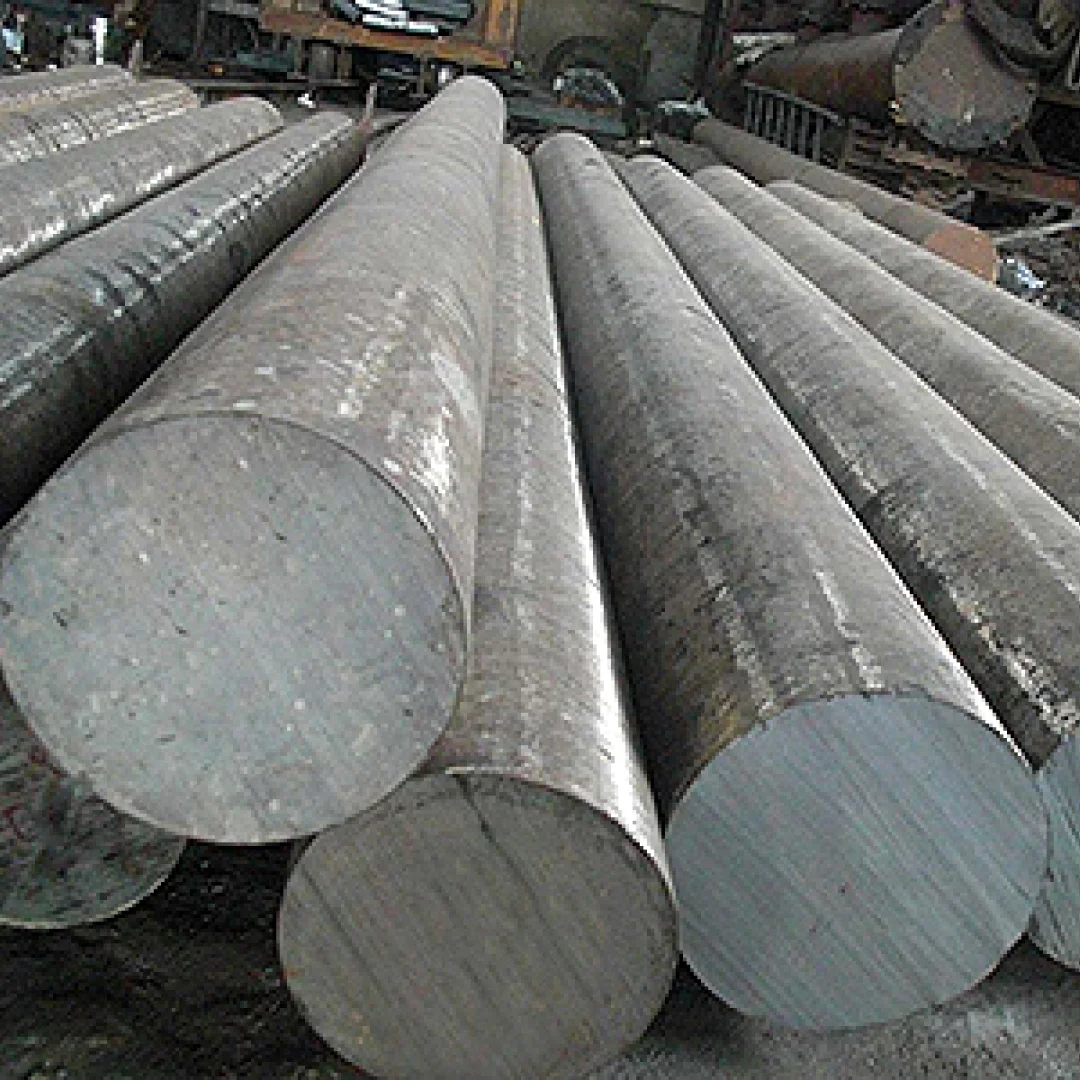
Round Bars
For shafts, axles, gears and machined components.

Bright Bars
For applications requiring closer dimensional control and suitable surface finish.

Forged Bars
For demanding heavy-engineering applications.

Cut Pieces
Prepared according to required dimensions where cutting services are available.

Custom Sizes
Available according to customer requirements and material availability.

Supply Condition

Supply Conditions

TSI Metals Private Limited can supply EN24 according to the required application and applicable material specification.

Possible supply conditions include:

Annealed

Suitable where machinability and further processing are required.

Normalized / Heat-Treated

Available where specified according to the required application.

Hardened & Tempered

For applications requiring controlled mechanical properties.

As Per Customer Requirement

Material condition can be discussed based on the required application, size and specification.